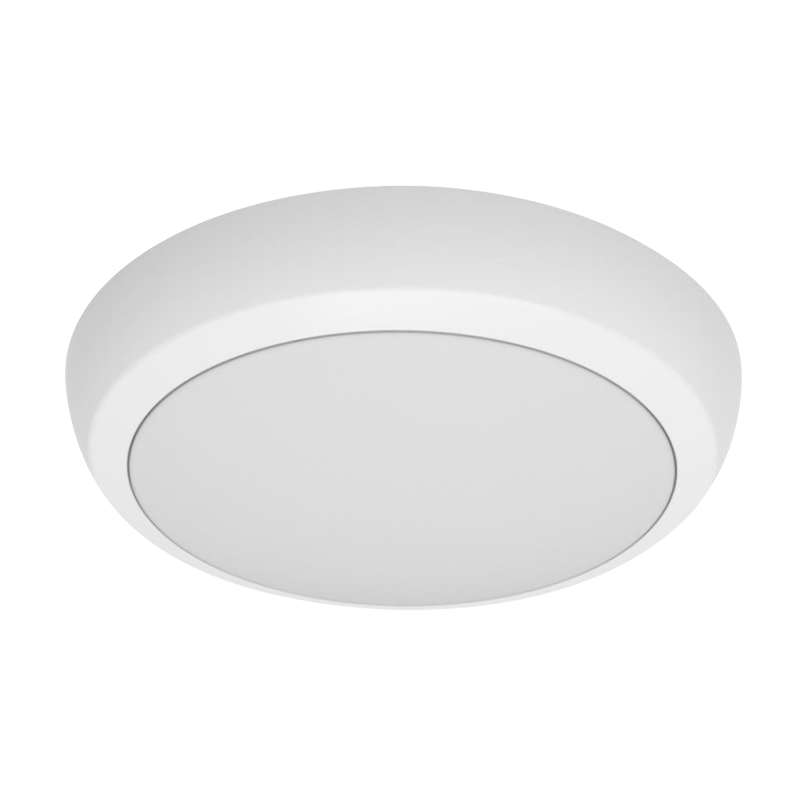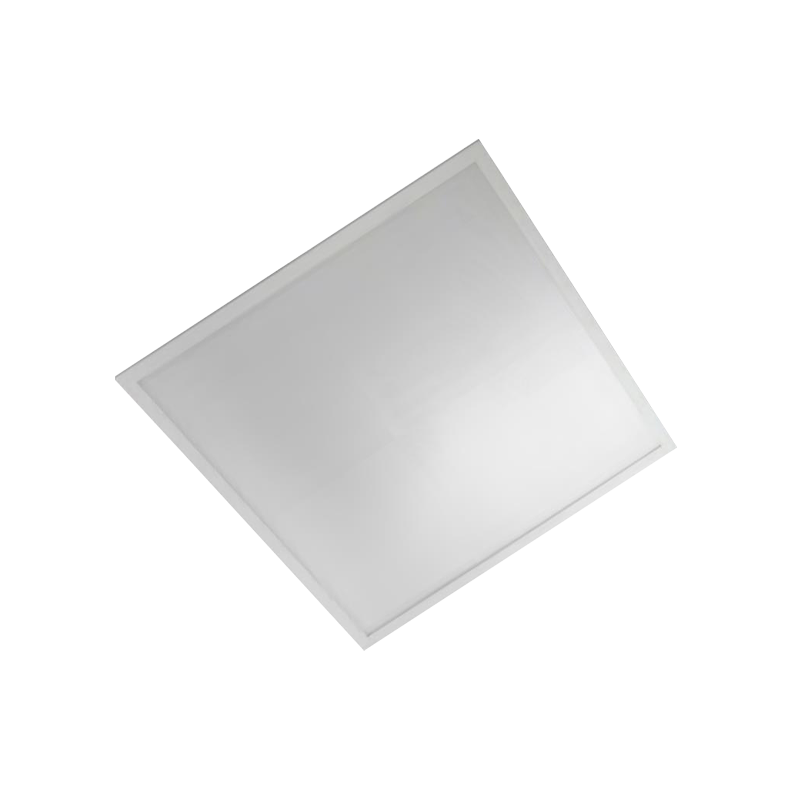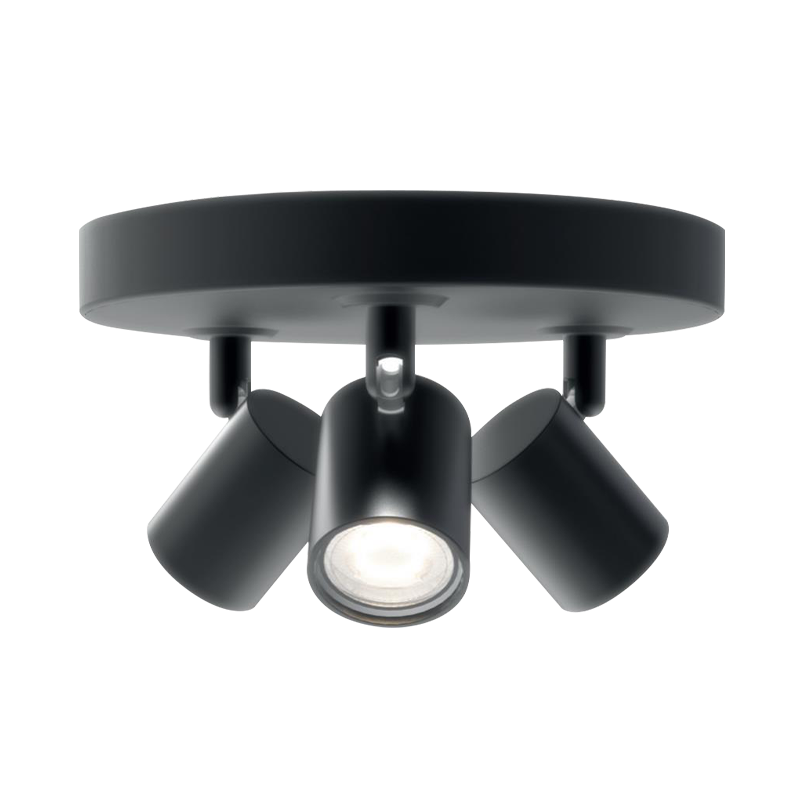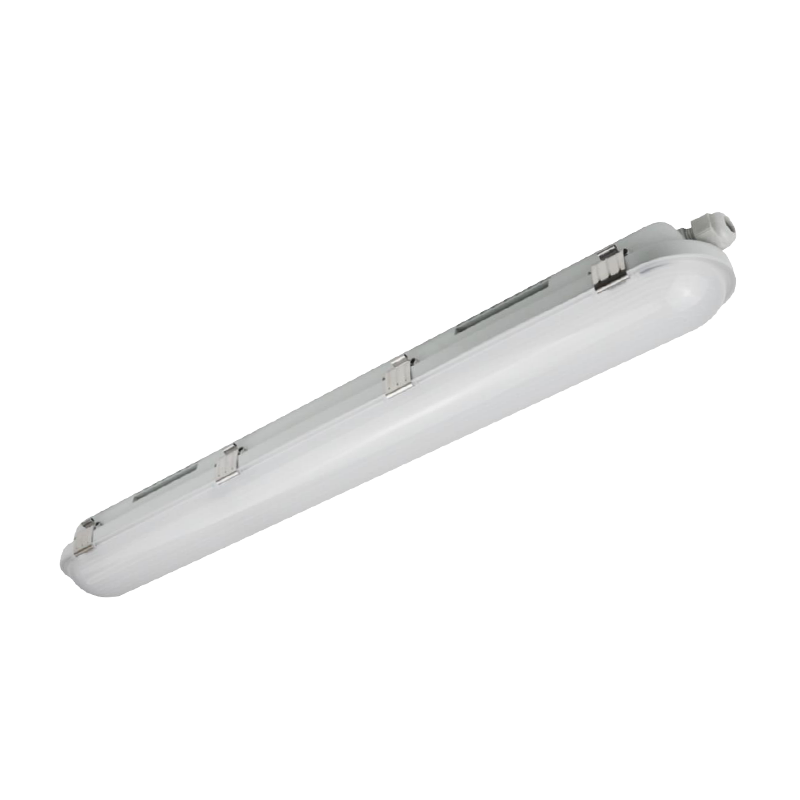
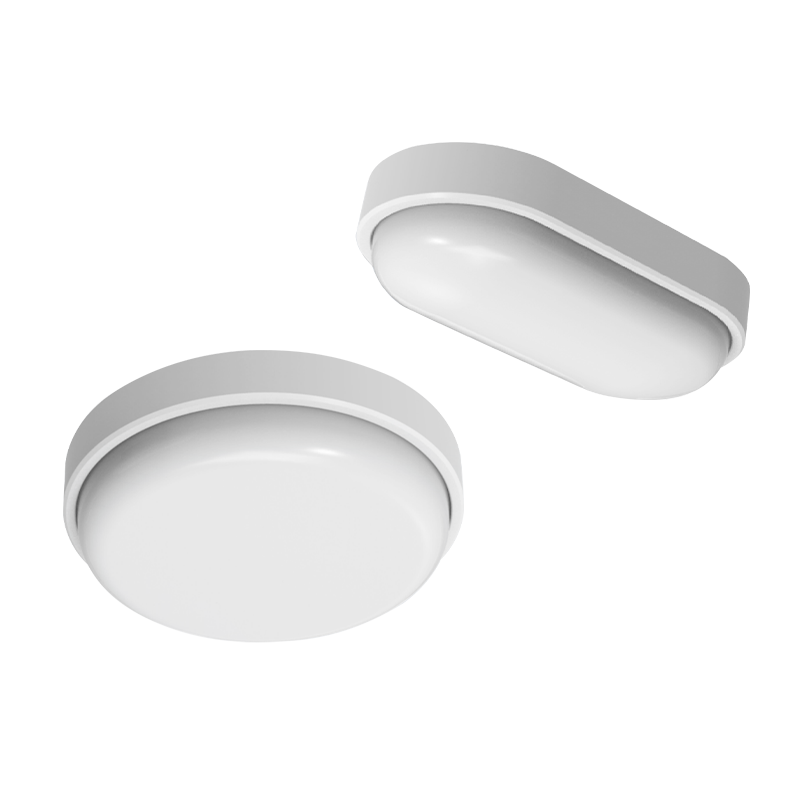
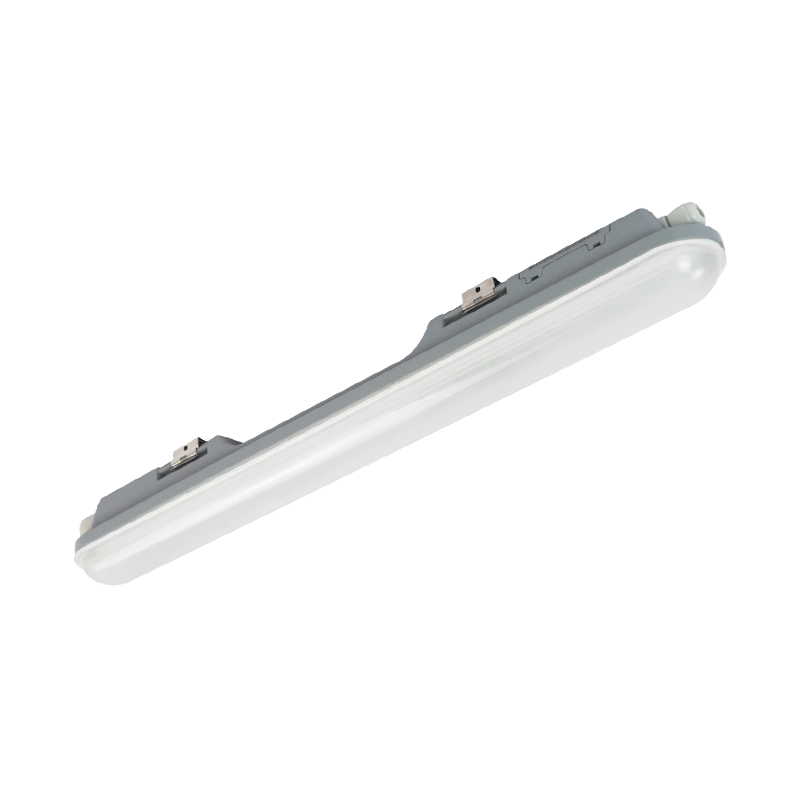
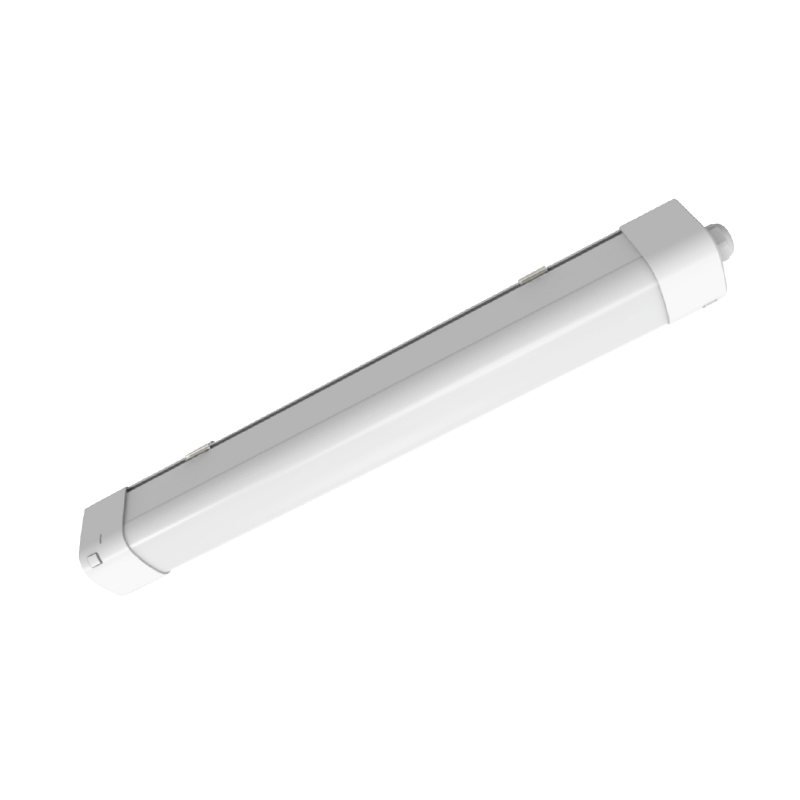
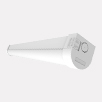
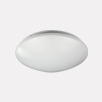
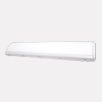
Office panels should provide uniform illumination, low glare, low flicker, comfortable color temperature, and suitable brightness for computer-based work.
An led panel light is a slim, broad-surface lighting fixture designed to distribute light evenly across offices, schools, hospitals, retail spaces, meeting rooms, workshops, corridors, and residential interiors. Its flat structure provides a cleaner ceiling appearance than many conventional lamps while delivering uniform illumination over a wide area.
Selecting the correct panel requires more than checking wattage. Panel dimensions, lumen output, color temperature, color rendering, glare control, flicker performance, driver quality, installation method, heat management, and environmental protection all affect actual performance.
A LED panel light is a flat lighting fixture that uses multiple light-emitting diodes, an optical distribution system, a frame, a diffuser, a heat-dissipation structure, and an electronic driver. The fixture spreads light across a large luminous surface rather than concentrating it in one exposed bulb or narrow point.
This structure helps reduce harsh bright spots and supports more consistent illumination. A led flat panel light may be installed inside a modular ceiling, attached directly to a solid ceiling, or suspended by cables depending on the room structure and project requirements.
A complete led light panel depends on the coordination of electrical, optical, and structural components. Each part influences brightness, visual comfort, service life, and reliability.
LED chips generate the light. Chip efficiency, thermal stability, color consistency, and operating current influence lumen output and long-term light maintenance.
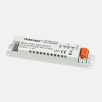
The driver converts the incoming electrical supply into stable current. A suitable driver helps control flicker, power factor, dimming behavior, protection, and electrical reliability.
The diffuser softens the light and reduces visible LED points. Material quality affects light transmission, yellowing resistance, glare, and overall visual uniformity.
The frame supports the structure and assists heat transfer. Aluminum and coated metal structures are commonly selected for strength, heat dissipation, and dimensional stability.
Depending on the design, the optical system may include a light guide plate, reflector, lens, diffuser, or a combination of these elements.
The position of the LED chips changes the thickness, optical path, manufacturing structure, and thermal behavior of a panel fixture.
In an edge-lit panel, LED chips are arranged around the sides of the frame. Light enters a guide plate and is redirected through the diffuser across the luminous surface.
In a back-lit panel, LED chips and optical lenses are positioned behind the diffuser. Light moves forward directly through the luminous surface without passing through an edge-mounted guide plate.
A practical selection process begins with the room and lighting target, followed by electrical, optical, structural, and environmental requirements.
Determine whether the led flat panel light will be recessed into a grid ceiling, mounted on a solid ceiling, suspended above a work area, or installed inside a custom frame.
Check ceiling-module dimensions, opening size, installation depth, mounting clearance, cable routing, driver position, and access required for maintenance.
Select lumen output according to room area, ceiling height, wall reflectance, daylight conditions, spacing between fixtures, and the visual tasks performed in the room.
Choose color temperature, CRI, glare level, flicker performance, beam distribution, diffuser appearance, and dimming requirements.
Verify input voltage, frequency, driver output, dimming protocol, emergency-system compatibility, power factor, surge protection, and local electrical requirements.
| Specification | What It Indicates | Selection Consideration |
|---|---|---|
| Wattage | Electrical power consumed by the fixture | Compare wattage together with lumen output and luminous efficacy |
| Lumen Output | Total quantity of visible light produced | Match the lumen level with room size, fixture quantity, and target illumination |
| Luminous Efficacy | Light output per watt, expressed as lm/W | Higher values generally indicate more efficient conversion of electricity into light |
| Color Temperature | Warm, neutral, or cool appearance of the light | Select according to atmosphere, working task, room materials, and operating time |
| CRI | Ability to reproduce object colors naturally | CRI 80 is suitable for general use; CRI 90+ is useful where color accuracy matters |
| UGR | Unified Glare Rating for visual discomfort evaluation | Lower-glare configurations are useful in offices, classrooms, and screen-based work areas |
| Flicker Performance | Stability of light output over time | Low-flicker products improve visual comfort and camera compatibility |
| Power Factor | How effectively electrical power is used | Important in projects with many fixtures and continuous operation |
| IP Rating | Resistance to dust and moisture | Select a higher protection level for humid, dusty, or demanding environments |
| Driver Type | Electrical control and current regulation method | Check voltage, dimming, protection, operating temperature, and reliability |
Color temperature changes the visual atmosphere of a room. The correct choice depends on the activity, interior materials, daylight level, operating schedule, and desired appearance.
Produces a softer and more comfortable appearance. Suitable for lounges, reception areas, hotel interiors, restaurants, residential rooms, and decorative applications.
Balances visual clarity with a natural indoor appearance. Common in offices, schools, meeting rooms, stores, kitchens, clinics, and general workspaces.
Creates a crisp, bright appearance. Suitable for inspection areas, laboratories, utility rooms, workshops, warehouses, and task-focused spaces.
Different spaces require different combinations of brightness, glare control, color rendering, mounting method, protection level, and driver performance.
Office panels should provide uniform illumination, low glare, low flicker, comfortable color temperature, and suitable brightness for computer-based work.
Classroom lighting requires visual comfort, stable output, suitable color rendering, and consistent illumination across desks, teaching areas, and circulation zones.
Clinics, waiting rooms, examination areas, and care spaces may require clean fixture surfaces, accurate color rendering, low glare, and easy maintenance.
A led light panel can support broad ambient illumination while spotlights or track lights provide emphasis. High CRI helps products and interior finishes appear more natural.
Corridors and circulation areas benefit from wide light distribution, suitable spacing, efficient operation, and reliable drivers for long daily working hours.
Slim panel fixtures can provide clean ceiling lines in kitchens, studies, utility rooms, basements, living spaces, and renovated interiors with limited installation depth.
LED panel lights can provide strong lighting performance when the fixture is correctly designed and matched to the application. Their main value comes from a broad luminous surface, slim construction, efficient operation, flexible mounting, and controlled light distribution.
A panel fixture is not automatically suitable for every project. Product design, installation conditions, maintenance access, and visual requirements should be considered before selection.
The driver may fail before the LED chips. Excessive heat, unstable voltage, unsuitable dimming, low-quality components, or moisture can reduce driver life.
Some integrated panels are not designed for easy component-level repair. Driver replacement may be possible, while diffuser, chip board, or optical component replacement can be more difficult.
A very bright surface, unsuitable diffuser, poor fixture position, or excessive lumen output may create glare, particularly in offices and classrooms.
Lower-quality diffuser or guide-plate materials may discolor, become brittle, or lose optical transmission after prolonged heat and ultraviolet exposure.
Recessed models require compatible ceiling dimensions and sufficient installation depth. Surface-mounted and suspended versions need suitable brackets, frames, or suspension hardware.
Poor optical design can produce dark edges, visible LED points, brighter central areas, or inconsistent illumination across the panel surface.
A solar panel can respond to some artificial light, including light produced by LED fixtures. Under an LED source, a photovoltaic cell may generate a measurable voltage or a very small electrical current.
A standard indoor led panel light is not an efficient way to charge a solar panel. The light intensity is much lower than direct sunlight, and the spectral output may not match the photovoltaic cell’s most efficient response range.
The process also involves energy losses. Electricity powers the LED fixture, the fixture converts part of that electricity into light, and the solar panel converts only part of that light back into electricity. The recovered energy is much lower than the energy originally supplied to the lamp.
The panel sits inside a compatible ceiling grid or prepared opening. This method creates a flush, integrated appearance and is common in modular commercial ceilings.
A surface frame or bracket holds the led flat panel light against a solid ceiling where recessed installation is unavailable.
Suspension cables lower the panel from the ceiling. This method can suit high ceilings, open architectural spaces, work areas, meeting tables, and decorative commercial interiors.
Panel lighting can be configured for different markets, ceiling systems, visual requirements, operating environments, electrical supplies, and project specifications.
It is a slim, broad-surface LED fixture that combines LED chips, an electronic driver, optical components, a diffuser, a frame, and a heat-dissipation structure to provide wide and relatively uniform illumination.
They are suitable for many commercial and residential applications when the driver, optical system, heat management, glare control, fixture size, and lumen output match the installation.
Possible disadvantages include driver failure, difficult internal repair, glare, diffuser aging, dimmer incompatibility, installation restrictions, and uneven brightness in poorly designed products.
LED light may cause a solar cell to generate a small voltage or current, but ordinary indoor LED lighting is generally too weak and inefficient for practical solar charging.
A panel uses a large luminous surface to distribute light broadly, while many traditional ceiling lamps use bulbs, tubes, or concentrated light sources inside a housing.
Neutral white around 4000K is commonly selected for offices because it provides clear illumination without the strongly warm appearance of 3000K or the cooler appearance of 6000K.
Dimming is possible when the panel uses a compatible dimmable driver and the dimming control method matches the electrical system.
Gradual brightness loss may result from LED lumen depreciation, high internal temperature, diffuser aging, driver output changes, dust accumulation, or prolonged operation in unsuitable conditions.